Showing posts with label Emotional Disorders. Show all posts

Monday, February 8, 2016

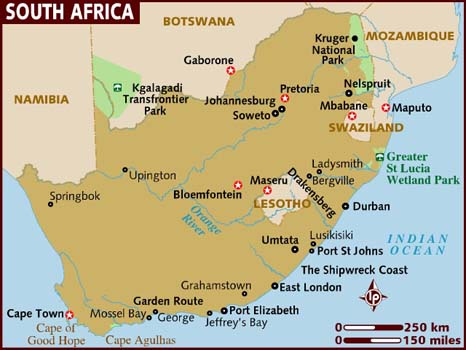
Correlates of Emotional and Behavioural Problems in Children with Perinatally Acquired HIV in Cape Town, South Africa

In the antiretroviral era, youth perinatally infected with HIV (PHIV+) are surviving into adulthood and are at risk for emotional and behavioural problems. Few studies of these problems have been conducted in low- and middle-income countries and even fewer in sub-Saharan Africa. 

The aims of this study were to provide a quantitative description of emotional and behavioural problems in a group of PHIV+ youth (n = 78) in South Africa compared with a group of demographically matched HIV-negative controls (n = 30) and to identify correlates of emotional and behavioural problems. A cross-sectional study was conducted employing participants from community and hospital-based clinics. Emotional and behavioural problems were assessed using the Child Behaviour Checklist (CBCL). Several measures were used to assess demographic, biological, cognitive and contextual correlates of problem behaviours. Youth were compared by HIV status on demographic, cognitive and contextual variables as well as the Total Problems and subscale scores of the CBCL. Multivariate comparisons of the influence of contextual and cognitive variables on CBCL Total Problems scores were performed using a stepwise linear regression analytic procedure. In this study, there were no significant differences in between-group comparisons for the prevalence of Internalizing, 

Externalizing and Total Problems in the PHIV+ youth and control group at the clinical and borderline cut-off ranges of the CBCL. Caregiver depression was the only significant predictor of greater Total Problems scores in the full model, after controlling for age and gender (F = 8.57, df = 5.102, P < .01). An interaction between HIV status and caregiver depression was observed (t = -2.20, P = .03), with follow-up within-group analyses confirming that caregiver depression predicted greater Total Problems scores both in HIV-negative youth (β = 0.61, P < .001), and to a lesser extent, in HIV-positive youth (β = 0.25, P < .001). 

This study highlights the need for adequate screening of depression in the caregivers of HIV-infected youth.

Purchase full article at:   http://goo.gl/BQRpIQ

By:  Louw KA1, Ipser J1, Phillips N1, Hoare J1.
1a Department of Psychiatry and Mental Health , University of Cape Town , Cape Town , South Africa.


Wednesday, November 25, 2015

Percentage of Children and Adolescents Aged 4–17 Years with Serious Emotional or Behavioral Difficulties, by Poverty Status and Sex — National Health Interview Survey, 2011–2014


During 2011–2014 the percentage of children with serious emotional or behavioral difficulties was about twice as high among children living in poor families (<100% of the poverty threshold) compared with children living in the most affluent families (≥400% of the poverty threshold) (7.7% versus 3.8%). This pattern was found for both boys (9.9% versus 4.8% ) and girls (5.6% versus 2.8%). At each poverty status level a higher percentage of boys than girls had serious emotional or behavioral difficulties.


Full article at:  http://goo.gl/6KuMle

Tuesday, October 20, 2015

Improving Parenting & Parent-Teen Communication to Delay or Prevent the Onset of Alcohol & Drug Use in Young Adolescents with Emotional/Behavioral Disorders

Mental health disorders in early adolescence have been shown to predict higher levels of alcohol and other drug (AOD) use later on during adolescence (). With respect to the externalizing spectrum, , for example, found that children with severe inattention problems were more likely than their peers to develop alcohol-related problems in adolescence. Similarly, early aggression (; ; ), conduct problems (; ), and hyperactivity-impulsivity (; ) have all been related to adolescent AOD use.

Internalizing behaviors, such as depressive and anxiety symptoms, have also been shown to be related to adolescent AOD use (; ; ; ; ). The National Survey on Drug Use and Health data found that teens who reported a major depressive episode (29.2%) were two times as likely as non-depressed teens (14.5%) to report lifetime AOD use ().  found that 10-year-old children who were depressed, anxious, and male had higher rates of adolescent AOD use than their counterparts. A community study also found that early depressive disorders doubled the risk of initiating alcohol use during adolescence ().

The most dramatic increase in AOD use appears to occur in relatively young adolescents, typically between 7th and 9th grade (). Evidence suggests that the earlier one initiates alcohol use, the higher the likelihood of alcohol related problems and disorders later in life (; ; ). These data suggest that efforts to prevent or delay the onset of AOD use in young adolescents with emotional/behavioral disorders are indicated. This paper provides preliminary data on one such prevention program that addresses both parent and adolescent factors related to the onset of AOD use.

Full article at: http://goo.gl/CIral6

Center for Alcohol and Addiction Studies, Brown University, Department of Psychiatry and Human Behavior, Brown University, Rhode Island Hospital, Providence, RI