Showing posts with label STI Screening. Show all posts

Thursday, March 31, 2016

Efforts in Blood Safety: Integrated Approach for Serological Diagnosis of Syphilis

Recent efforts in transfusion medicine are focused on improving blood safety as well as establishing effective and efficient diagnostic algorithms for donor screening. To date, syphilis is a transfusion-transmitted infection re-emerged in many countries as a public health threat especially among populations at specific risk. 

This task requires new diagnostic tools and hemovigilance programs. The current diagnostic methodologies are debated, since presenting limitations and unresolved issues with special regard to the clinical interpretation of serological patterns, especially in asymptomatic patients and in blood donors. Furthermore, the switch from the traditional to alternative diagnostic algorithms underlines the lack of a gold standard, which has not been supported by shared guidelines. Besides, a lot of ongoing clinical trials on the performance of diagnostic assays, on the serological response associated with different pharmacological treatments, as well as on the prevention programs are currently under investigation. 

Here, we review the recent literature about the diagnosis of syphilis especially for low-risk populations proposing the adoption of an algorithm for blood donor screening that should satisfy the need of increasing safety for transfusion-transmitted infections in the modern blood transfusion centers.

Below:  The natural history of untreated syphilis in immunocompetent individuals


Below:  The actual testing algorithms for diagnosis of syphilis


Full article at:   http://goo.gl/X6O8mg

  • 1Department of Transfusion Medicine and Transplant Immunology, U.O.C. Immunohematology, Regional Reference Laboratory of Transplant Immunology, Azienda Ospedaliera Universitaria, Second University of Naples, Italy. 
  •  2016 Jan-Jun;10(1):22-30. doi: 10.4103/0973-6247.164267.


Wednesday, March 30, 2016

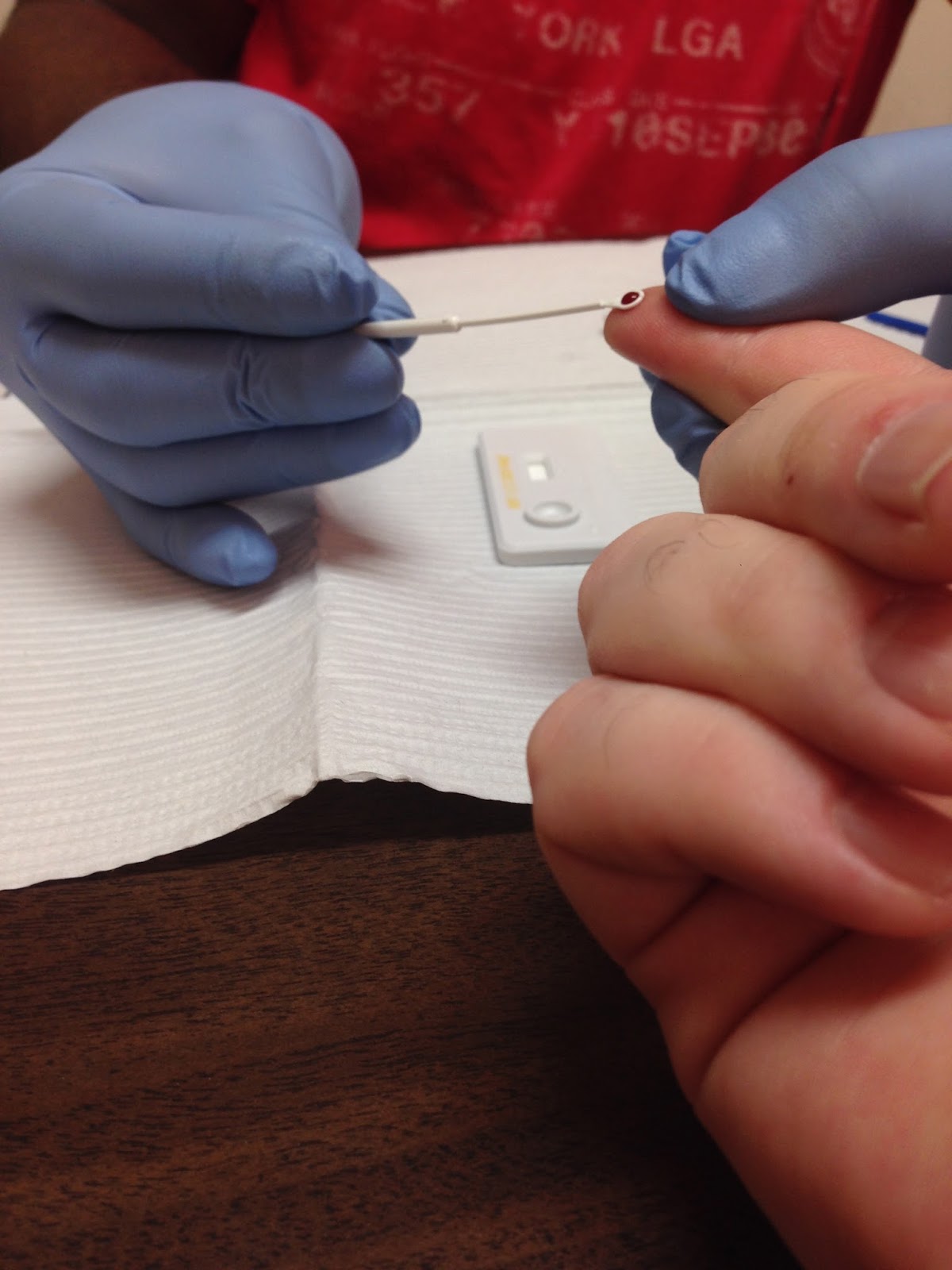
Evaluation of SD BIOLINE Syphilis 3.0 for Rapid Diagnosis of Syphilis: Report from a Regional Sexually Transmitted Infection Reference Laboratory in North India

BACKGROUND:
Serology is considered the mainstay of syphilis diagnosis. The limitations of the traditional serological methods and the advent and availability of novel immunochromatographic assays have led to the widespread application of rapid point-of-care procedures as screening tools for syphilis. However, these tests have not been extensively evaluated. This study was designed to evaluate the performance of a rapid syphilis diagnostic test known as SD BIOLINE Syphilis 3.0 (SD Biostandard Diagnostics Private Limited, Gurgaon, Haryana, India).

MATERIALS AND METHODS:
A panel comprising of 50 venereal disease research laboratory reactive and 50 nonreactive sera was tested using SD BIOLINE Syphilis 3.0. The performance of the test was evaluated using IMMUTREP Treponema pallidum hemagglutination assay (TPHA) (OMEGA Diagnostics Limited, Scotland, United Kingdom) as the reference standard and sensitivity, specificity, and negative and positive predictive values were calculated.

RESULTS:
The sensitivity, specificity, and positive and negative predictive values of SD BIOLINE Syphilis 3.0 were 92.86% (confidence interval of 95%: 80.52-98.50%), 98.28% (90.76-99.96%), 97.50% (86.84-99.94%), and 95.00% (86.08-98.96%), respectively, compared to TPHA as the gold standard.

CONCLUSION:
Keeping in view the high sensitivity and specificity of SD BIOLINE Syphilis 3.0, we conclude that the test can be used as a tool for rapid on-site diagnosis of syphilis and as an alternative to TPHA for detection of antibodies to Treponema pallidum.

Purchase full article at:   http://goo.gl/Jveh26

  • 1Department of Microbiology, Maulana Azad Medical College, New Delhi, India. 
  •  2016 Jan-Jun;8(1):36-40. doi: 10.4103/0974-2727.176239.


Friday, March 25, 2016

Sexually Transmitted Infection Testing among Adolescents and Young Adults in the United States

PURPOSE:
Persons aged 15-25 years have high sexually transmitted infection (STI) rates and suboptimal screening. There has been limited research analyzing barriers to STI testing at a national level. We examined STI testing among 15-25 year olds and reasons for not testing.

METHODS:
We used data from a national survey of youth. Bivariate and multivariable analyses examined differences in testing behaviors by demographics, separately by sex. Among sexually experienced respondents who reported never being tested, health system-related reasons for not testing were examined in bivariate and multivariable analyses.

RESULTS:
Females (16.6%) were more likely to have ever been tested compared with males (6.1%, p < .01) in the last 12 months. Among sexually experienced respondents who were never tested, 41.8% did not seek testing because they felt they were not at risk for STIs. Males (60.1%) had significantly higher reports of foregoing testing for confidentiality reasons compared with females (39.9%, p < .01). Non-Hispanic whites (44.9%) the highest reports of this compared with other ethnic/racial groups (p < .01).

CONCLUSIONS:
This national-level study found that most of the 15-25 year olds never received an STI test. In addition, confidentiality concerns may deter youth from seeking STI testing. Appropriate strategies to minimize these concerns may be useful. Potential strategies to ameliorate these issues may include engaging clinicians who frequently serve adolescents and young adults to address confidentiality issues with youth patients.

Purchase full article at:   http://goo.gl/DAifBF

  • 1Division of STD Prevention, Centers for Disease Control and Prevention, Atlanta, Georgia. Electronic address: kcuffe@cdc.gov.
  • 2Division of STD Prevention, Centers for Disease Control and Prevention, Atlanta, Georgia. 
  •  2016 Mar 14. pii: S1054-139X(16)00019-7. doi: 10.1016/j.jadohealth.2016.01.002. 


Tools to Overcome Potential Barriers to Chlamydia Screening in General Practice: Qualitative Evaluation of the Implementation of a Complex Intervention

BACKGROUND:
Chlamydia trachomatis remains a significant public health problem. We used a complex intervention, with general practice staff, consisting of practice based workshops, posters, computer prompts and testing feedback and feedback to increase routine chlamydia screening tests in under 25 year olds in South West England. We aimed to evaluate how intervention components were received by staff and to understand what determined their implementation into ongoing practice.

METHODS:
We used face-to-face and telephone individual interviews with 29 general practice staff analysed thematically within a Normalisation Process Theory Framework which explores: 1. Coherence (if participants understand the purpose of the intervention); 2. Cognitive participation (engagement with and implementation of the intervention); 3. Collective action (work actually undertaken that drives the intervention forwards); 4. Reflexive monitoring (assessment of the impact of the intervention).

RESULTS:
Our results showed coherence as all staff including receptionists understood the purpose of the training was to make them aware of the value of chlamydia screening tests and how to increase this in their general practice. The training was described by nearly all staff as being of high quality and responsible for creating a shared understanding between staff of how to undertake routine chlamydia screening. Cognitive participation in many general practice staff teams was demonstrated through their engagement by meeting after the training to discuss implementation, which confirmed the role of each staff member and the use of materials. However several participants still felt unable to discuss chlamydia in many consultations or described sexual health as low priority among colleagues. National targets were considered so high for some general practice staff that they didn't engage with the screening intervention. Collective action work undertaken to drive the intervention included use of computer prompts which helped staff remember to make the offer, testing rate feedback and having a designated lead. Ensuring patients collected samples when still in the general practice was not attained in most general practices. Reflexive monitoring showed positive feedback from patients and other staff about the value of screening, and feedback about the general practices testing rates helped sustain activity.

CONCLUSIONS:
A complex intervention including interactive workshops, materials to help implementation and feedback can help chlamydia screening testing increase in general practices.

Full article at:   http://goo.gl/PwEzsq

  • 1Public Health England Primary Care Unit, Microbiology Department, Gloucestershire Royal Hospital, Great Western Road, Gloucester, GL1 3NN, UK.
  • 2NIHR CLAHRC West Midlands Chronic Disease Theme, Institute of Applied Health Research, University of Birmingham, Edgbaston B15 2TT, Birmingham, UK.
  • 3Faculty of Health and Social Care, National Institutes of Health Research Health Services and Delivery Research Programme, The Open University, Walton Hall, Milton Keynes, MK7 6AA, UK.
  • 4Health Protection Agency Primary Care Unit, Personalised Medicine Consortium Integrated Biobank of Luxembourg 6, Rue Nicolas Ernest Barblé, L-1210, Luxembourg.
  • 5Public Health England Primary Care Unit, Microbiology Department, Gloucestershire Royal Hospital, Great Western Road, Gloucester, GL1 3NN, UK. cliodna.mcnulty@phe.gov.uk. 
  •  2016 Mar 22;17(1):33. doi: 10.1186/s12875-016-0430-2.


Syphilis among U.S.-Bound Refugees, 2009-2013

U.S. immigration regulations require clinical and serologic screening for syphilis for all U.S.-bound refugees 15 years of age and older. We reviewed syphilis screening results for all U.S.-bound refugees from January 1, 2009 through December 31, 2013. We calculated age-adjusted prevalence by region and nationality and assessed factors associated with syphilis seropositivity using multivariable log binomial regression models. 

Among 233,446 refugees, we identified 874 syphilis cases (373 cases per 100,000 refugees). The highest overall age-adjusted prevalence rates of syphilis seropositivity were observed among refugees from Africa (1340 cases per 100,000), followed by East Asia and the Pacific (397 cases per 100,000). In most regions, male sex, increasing age, and living in non-refugee camp settings were associated with syphilis seropositivity. 

Future analysis of test results, stage of infection, and treatment delivery overseas is warranted in order to determine the extent of transmission risk and benefits of the screening program.

Purchase full article at:   http://goo.gl/8wD4gT

  • 1Epidemic Intelligence Service, Centers for Disease Control and Prevention, Atlanta, GA, USA. ENyangoma@cdc.gov.
  • 2Division of Global Migration and Quarantine, Centers for Disease Control and Prevention, 1600 Clifton Road, NE, MS E-03, Atlanta, GA, USA. ENyangoma@cdc.gov.
  • 3Division of Global Migration and Quarantine, Centers for Disease Control and Prevention, 1600 Clifton Road, NE, MS E-03, Atlanta, GA, USA.
  • 4Department of Medicine, University of Minnesota, Minneapolis, MN, USA.
  • 5Division of Sexually Transmitted Diseases Prevention, Centers for Disease Control and Prevention, Atlanta, GA, USA.
  •  2016 Mar 18.  


Friday, March 18, 2016

Screening for Asymptomatic Gonorrhea and Chlamydia in the Pediatric Emergency Department

BACKGROUND:
Because adolescents rely heavily on emergency services for health care, a pediatric emergency department (PED) visit may be their only opportunity for sexually transmitted infection (STI) screening. The primary objectives of this study were to determine the proportion of Neisseria gonorrheae (GC) and Chlamydia trachomatis (CT) infections in asymptomatic PED adolescents and patient-perceived barriers to STI screening.

METHODS:
A convenience sample of patients aged 14 to 21 years presenting to an urban PED with nongenitourinary complaints was offered screening for GC and CT. Regardless of declining or accepting screening, all were asked to complete a questionnaire designed to identify barriers to screening.

RESULTS:
Sixty-eight percent of those approached participated (n = 719). Those who agreed to STI screening were more likely to be nonwhite (61.4% vs. 38.6%, P = 0.001) and publically insured (63.3%) versus privately insured (29.3%) or no insurance (7.58%). Four hundred three (56%) participants provided urine samples, and of those, 40 (9.9%) were positive for an STI. Controlling for other demographics, race was a significant predictor, with the odds of testing positive for nonwhite participants 5.90 times that of white participants. Patients who refused testing were more likely to report not engaging in sexual activity (54.3% vs. 42.4%, P = 0.009) and less likely to perceive that they were at risk for STIs.

CONCLUSIONS:
There are high proportions of GC and CT among asymptomatic adolescents visiting an academic urban PED. A universal PED STI screening program may be an important component of STI reduction initiatives, especially among adolescents who do not perceive that they are at risk and may not receive testing elsewhere.

Purchase full article at:   http://goo.gl/X4xKlt

  • 1From the*Division of Emergency Medicine, Cincinnati Children's Hospital, Cincinnati, OH; and †Division of Pediatric Emergency Medicine, University of Minnesota Children's Hospital, Minneapolis, MN. 
  •  2016 Apr;43(4):209-15. doi: 10.1097/OLQ.0000000000000424.


Friday, March 11, 2016

Rapid Syphilis Testing Is Cost-Effective Even in Low-Prevalence Settings: The CISNE-PERU Experience

Studies have addressed cost-effectiveness of syphilis testing of pregnant women in high-prevalence settings. This study compares costs of rapid syphilis testing (RST) with laboratory-based rapid plasma reagin (RPR) tests in low-prevalence settings in Peru. The RST was introduced in a tertiary-level maternity hospital and in the Ventanilla Network of primary health centers, where syphilis prevalence is approximately 1%. The costs per woman tested and treated with RST at the hospital were $2.70 and $369 respectively compared with $3.60 and $740 for RPR. For the Ventanilla Network the costs per woman tested and treated with RST were $3.19 and $295 respectively compared with $5.55 and $1454 for RPR. The cost per DALY averted using RST was $46 vs. $109 for RPR. RST showed lower costs compared to the WHO standard costs per DALY ($64). Findings suggest syphilis screening with RST is cost-effective in low-prevalence settings.

Below:  RST and RPR cost components


Below:  Costs per woman screened and treated, by service comparing RST vs RPR at INMP and Ventanilla Network


Full article at:   http://goo.gl/mVWfxq

  • 1Epidemiology, STD/HIV Unit, School of Public Health, Universidad Peruana Cayetano Heredia, Lima, Peru.
  • 2London School of Hygiene and Tropical Medicine, London, United Kingdom. 
  •  2016 Mar 7;11(3):e0149568. doi: 10.1371/journal.pone.0149568. eCollection 2016.


Wednesday, February 17, 2016

Correlates of HIV and STI Testing among Latino Men Who Have Sex with Men in New York City

We assessed the extent to which sociodemographic, personal, and behavioral factors are associated with human immunodeficiency virus/sexually transmitted infection (HIV/STI) testing among a diverse group of Latino men who have sex with men (MSM) in New York City. 

The triangulation approach was used to synthesize data from 176 MSM who completed an in-person or phone questionnaire about substance use, alcohol consumption, sexual behaviors, and HIV/STI testing history and 40 participants who participated in focus groups. Correlates of testing significant in univariable analyses (p < .05) were entered into multivariable logistic regression models. 

Over half (57.9%) of study subjects tested for HIV in the previous 12 months and 60.2% tested for STIs in the previous 12 months. Age and education were positively correlated with HIV testing in multivariable analysis. No significant correlates of STI testing were identified. Spanish-speaking only subjects were less likely to get tested for HIV and STI; however, this association was not significant. 

Our study demonstrates the need for further study of predictors of STI testing as well as the potential role of language barriers and education in routine testing for HIV. Social and behavioral factors may intensify these obstacles. 

Future research and interventions should address the role of language barriers and perceived issues of immigration status in the decision to get tested.

Purchase full article at:   http://goo.gl/xqxN0q

  • a Arizona Department of Health Services, Phoenix, AZ, USA
  • b College of Public Health, Temple University, Philadelphia, PA, USA
  • c College of Liberal Arts, Temple University, Philadelphia, PA, USA
  • d School of Public Health, Indiana University-Bloomington, Bloomington, IN, USA
  • e Department of Public Health, Nova Southeastern University, Fort Lauderdale, FL, USA


Sunday, February 7, 2016

Universal Screening for Sexually Transmitted Infections among Asymptomatic Adolescents in an Urban Emergency Department: High Acceptance but Low Prevalence of Infection

OBJECTIVES:
To evaluate acceptance of sexually transmitted infection (STI) screening and measure STI prevalence in an asymptomatic adolescent emergency department (ED) population.

STUDY DESIGN:
This was a prospectively enrolled cross-sectional study of 14- to 21-year-old patients who sought care at an urban pediatric ED with non-STI related complaints. Participants completed a computer-assisted questionnaire to collect demographic and behavioral data and were asked to provide a urine sample to screen for Chlamydia trachomatis and Neisseria gonorrhoeae infection. We calculated STI screening acceptance and STI prevalence. We used logistic regression to identify factors associated with screening acceptance and presence of infection.

RESULTS:
Of 553 enrolled patients, 326 (59.0%) agreed to be screened for STIs. STI screening acceptability was associated with having public health insurance (aOR 1.7; 1.1, 2.5) and being sexually active (sexually active but denying high risk activity [aOR 1.7; 1.1, 2.5]; sexually active and reporting high risk activity [aOR 2.6; 1.5, 4.6]). Sixteen patients (4.9%; 95% CI 2.6, 7.3) had an asymptomatic STI. High-risk sexual behavior (aOR 7.2; 1.4, 37.7) and preferential use of the ED rather than primary care for acute medical needs (aOR 4.0; 1.3, 12.3) were associated with STI.

CONCLUSIONS:
STI screening is acceptable to adolescents in the ED, especially among those who declare sexual experience. Overall, there was a low prevalence of asymptomatic STI. Risk of STI was higher among youth engaging in high-risk sexual behavior and those relying on the ED for acute health care access. Targeted screening interventions may be more efficient than universal screening for STI detection in the ED.

Purchase full article at:   http://goo.gl/9jtaFM

  • 1Children's National Health System, Washington, DC; Departments of Pediatrics and Emergency Medicine, the George Washington University School of Medicine and Health Sciences, Washington, DC. Electronic address: mgoyal@childrensnational.org.
  • 2Children's National Health System, Washington, DC; Departments of Pediatrics and Emergency Medicine, the George Washington University School of Medicine and Health Sciences, Washington, DC.
  • 3Children's National Health System, Washington, DC.
  • 4Department of Pediatrics, Johns Hopkins School of Medicine, Baltimore, MD.
  •  2016 Feb 2. pii: S0022-3476(16)00021-4. doi: 10.1016/j.jpeds.2016.01.019. 


Thursday, January 28, 2016

Predictors of Chlamydia Trachomatis Testing: Perceived Norms, Susceptibility, Changes in Partner Status & Underestimation of Own Risk

BACKGROUND:
It is hard to convince people to participate in chlamydia screening programs outside the clinical setting. In two earlier studies (BMC Public Health. 2013;13:1091; J Med Internet Res. 2014;16(1):e24), we identified explicit and implicit determinants of chlamydia screening behavior and attempted, unsuccessfully, to improve participation rates by optimizing the recruitment letter. In the present study, we examined the links between a number of social-cognitive determinants (e.g., stereotypical beliefs about a person with chlamydia, intentions, changes in partner status), and self-reported chlamydia testing behavior six months after the initial study.

METHODS:
The present study is a follow-up to our first study (T0). We assessed self-reported testing behavior 6 months after the first measure by means of an online questionnaire (T1; N = 269). Furthermore, at T1, we measured the social-cognitive determinants in more detail, and explored the influence of stereotypical beliefs and any changes in partner status during this six month period.

RESULTS:
In total, 25 (9.1 %) of the participants tested for chlamydia at some point during the six months between baseline (T0) and follow up (T1). Testing behavior was influenced by testing intentions in combination with changes in risk behavior. The higher the participants' own numbers of partners ever, the higher they estimated the number of partners of the stereotypical person with chlamydia. Testing intentions were most strongly predicted by perceived norms and susceptibility, and having had multiple partners in the last 6 months (R(2) = .41).

CONCLUSION:
The most relevant determinants for testing intentions and behavior were susceptibility, subjective norms and changes in partner status. We found a systematic tendency for individuals to underestimate their own risk, especially the risk of inconsistent condom use. Future research should focus on more promising alternatives to population-based interventions, such as online interventions, screening in primary care, the rescreening of positives, and clinic-based interventions. This future research should also focus on making testing easier and reducing barriers to testing, as well as using social and sexual networks in order to reach more people.

Below:  Logic Model of Predictors of Testing Intention and Behavior


Full article at:   http://goo.gl/Icj1mJ

  • 1Department of Work & Social Psychology, Maastricht University, P.O. Box 616, 6200 MD, Maastricht, The Netherlands. Gill.tenHoor@MaastrichtUniversity.nl.
  • 2Department of Work & Social Psychology, Maastricht University, P.O. Box 616, 6200 MD, Maastricht, The Netherlands. r.ruiter@maastrichtuniversity.nl.
  • 3STI AIDS Netherlands, Keizersgracht 390, 1016GB, Amsterdam, The Netherlands. JvanBergen@soaaids.nl.
  • 4Department of General Practice, AMC-University of Amsterdam, P.O. Box 19268, 1000GG, Amsterdam, Netherlands. JvanBergen@soaaids.nl.
  • 5Department of Sexual Health, Infectious Disease and Environmental Health, Public Health Service South Limburg, P.O. Box 2022, 6160HA, Geleen, The Netherlands. Christian.Hoebe@ggdzl.nl.
  • 6Department of Medical Microbiology, Maastricht University, P.O. Box 5800, 6202AZ, Maastricht, The Netherlands. Christian.Hoebe@ggdzl.nl.
  • 7Department of Sexual Health, Infectious Disease and Environmental Health, Public Health Service South Limburg, P.O. Box 2022, 6160HA, Geleen, The Netherlands. Nicole.Dukers@ggdzl.nl.
  • 8Department of Medical Microbiology, Maastricht University, P.O. Box 5800, 6202AZ, Maastricht, The Netherlands. Nicole.Dukers@ggdzl.nl.
  • 9Department of Work & Social Psychology, Maastricht University, P.O. Box 616, 6200 MD, Maastricht, The Netherlands. g.kok@maastrichtuniversity.nl. 


Saturday, January 23, 2016

Sexually Transmissible Infections in Aboriginal & Torres Strait Islander People

Introduction
Aboriginal and Torres Strait Islander people represent 3% of the Australian population, of which more than two-thirds are less than 34 years of age.1The Indigenous population is considerably diverse, socially, culturally and geographically, providing a challenging environment to deliver culturally appropriate and accessible healthcare services.2

Despite improvements in health outcomes, disparities between the Indigenous and non-Indigenous populations are evident and occur for a range of health issues, including sexual health.3 Indigenous people continue to be disproportionately represented in the sexually transmissible infections (STI) notification data, particularly in younger age groups residing in remote locations.

Methods
Notification data, for selected STIs, extracted from the Nationally Notifiable Diseases Surveillance System (NNDSS) as at 17 September 2015 were used for the analyses. HIV notification data, collected through the National HIV Registry, were sourced from the 2015 annual surveillance reports from the Kirby Institute.4

Case identification
For the purposes of this report, notifications with an Indigenous status field reported as not Indigenous or blank/unknown were considered to be non-Indigenous. In interpreting these data it is important to note that changes in notifications over time may not solely reflect changes in disease prevalence. Changes in screening programs,5, 6 the use of less invasive and more sensitive diagnostic tests7 and periodic public awareness campaigns8 may influence the number of notifications that occur over time. Rates for STIs are particularly susceptible to overall rates of testing.9 As a priority and ‘at risk’ population, Indigenous people are commonly targeted for STI screening often resulting in a higher number of reported cases.

Results
In 2014, the notification rates for chlamydia, infectious syphilis and gonococcal infections in the Indigenous population were 3, 4 and 18 times higher respectively than the non-Indigenous population (Table, Figures 1–3).

Below:  Notifications and notification rate (unadjusted) for chlamydia, 2011 to 2014, by year and Indigenous status


Below:  Notifications and notification rate (unadjusted) gonococcal infection, 2011 to 2014, by year and Indigenous status


Below:  Notification rate (unadjusted) for infectious syphilis and number of congenital syphilis cases, by year and Indigenous status, 2011 to 2014


Full article at:   http://goo.gl/cAMUW5

By:  Bright A1.
  • 1Office of Health Protection, Australian Government Department of Health, Canberra, Australian Capital Territory.